What Makes Horror Horror?
Horror films take an audience’s worst fears and bring them to life. The Merriam-Webster Dictionary describes horror as, “painful and intense fear, dread, and dismay”. Despite the nightmare-inducing stories, the horror genre remains one of the most popular both among audiences and filmmakers.
A Little HistoryThe horror genre of film arises from old folklore and mythology. Georges Méliès’ short film, The Haunted Castle (1896), which featured floating ghosts and skeletons, shocked audiences at the time, and is now considered to be the first piece of horror put to film. German Expressionist films of the 1920s, which focused more on the filmmaker’s aesthetic expression rather than realism and relied heavily on production design, paved the way for what was known as the “Golden Age of Horror” in Hollywood. The 1930s saw a surge of horror films (a lot of which were creature features produced by Universal Pictures). Early Hollywood horror cinema was highly influenced by classic nineteenth-century Gothic fiction literature. Audiences flocked to see movies such as Dracula (1931), Frankenstein (1931), and Dr. Jekyll and Mr. Hyde (1931). With the 1940s and 50s came a wave of psychological thrillers, a prominent name of that time being Alfred Hitchcock. The 60s and 70s introduced supernatural aspects to the genre, and became much bloodier. Finally, slasher films in the 80s and 90s ushered in a new subgenre of satirical horror. Present day horror, especially with the rise of studios like A24, has seen more and more original and reflective stories from visionaries such as Jordan Peele, Julia Ducournau, and Ari Aster.
Content
It's hard to pinpoint specific content that makes up the horror genre because it's so incredibly diverse. There are dozens of subgenres that make up the horror umbrella: supernatural, psychological, creature/monster, folk, giallo, slasher, gore, found footage, just to name a few. Although there are so many genres, horror films typically feature some sort of paranormal or supernatural aspect, like ghosts, many are set in haunted houses (the film 1408, however, is set in a haunted hotel), and the main character is in some sort of danger. They are characterized by extreme violence, not shying away from showing some blood. Main antagonists are also found in most horror movies, which the heroic protagonist has to defeat. Another common stereotype of the horror genre is the "final girl". This woman is usually the only one to survive the string of killings, although she suffers a great deal by that point. Older slashers are now criticized by people who claim that the "final girl" stereotype is rooted in misogyny and were used by male directors as an excuse to torture women.
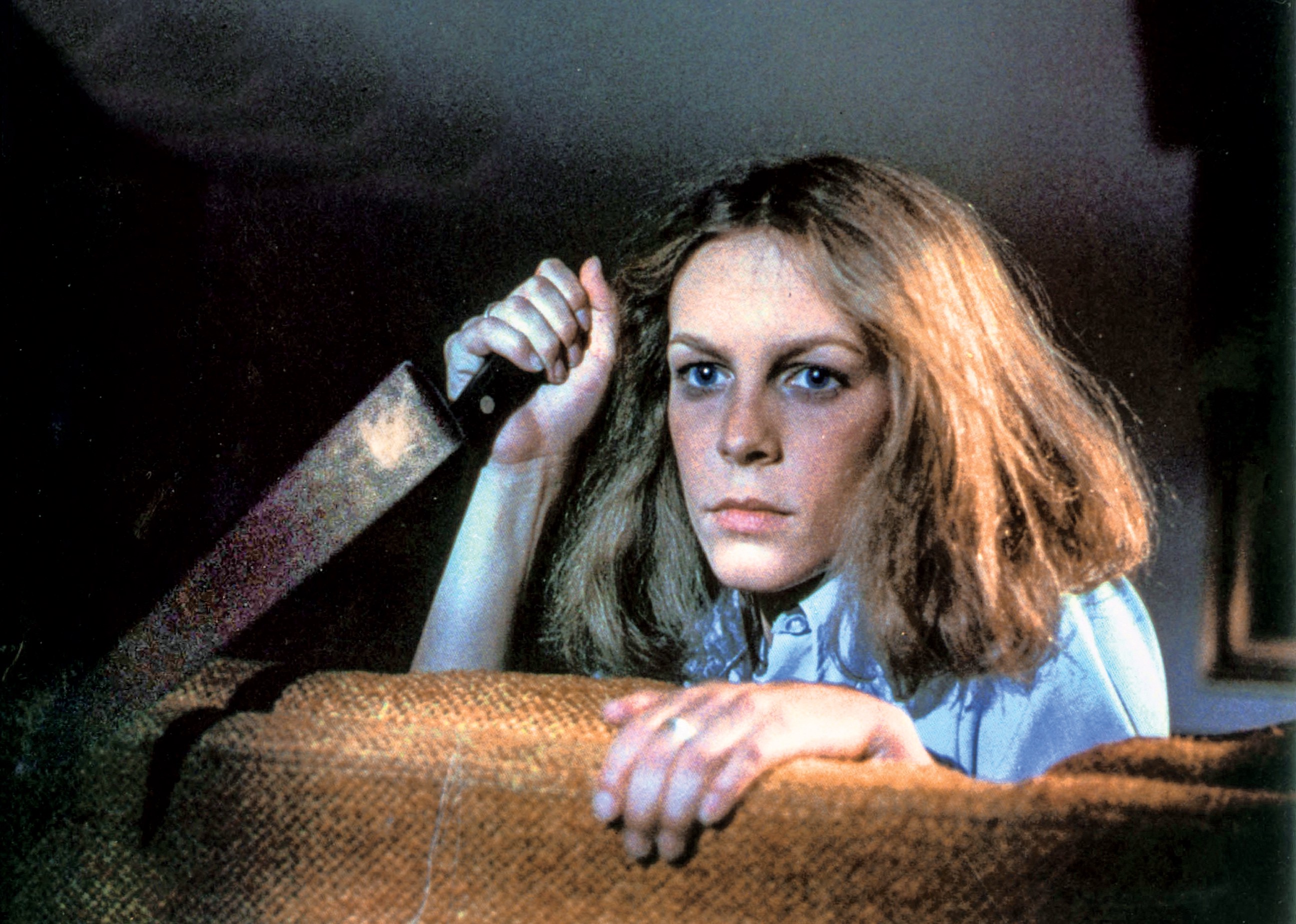
Laurie from Halloween is one of the most famous final girls.
To scare audiences, horror films rely on suspense. A good horror film builds up suspense through foreshadowing. Filmmakers use cues and symbols that audiences recognize to foreshadow what is to come. For example, objects disappearing or mysteriously moving is used in almost every paranormal film. Without the proper environment and build-up, scares can feel cheap.
Production Techniques
Horror films use specific techniques to elicit emotional fear responses from the audience. We scream and cover our eyes while watching horror films because we as viewers have been conditioned to react based on these techniques.
Sound
The simple usage of sound can be used to create a suspenseful environment or to carry out an effective jumpscare. Horror movie soundtracks typically use dissonant chords to (subconsciously) have the audience at the edge of their seat. Many composers create leitmotifs to represent characters, these sound motifs let viewers know that danger is imminent. John Williams’ Main Title Theme from Jaws (1975) is one of the most popular examples of this. Filmmakers also often depend on stings for jumpscares, which shock an unsuspecting audience. In fact, once the volume of horror films is muted, it loses most of its shock factor. Lastly, certain subgenres of film, such as body horror and gore/splatter films, rely heavily on foley and SFX to nauseate audiences. This scene from Luca Guadagnino’s 2018 Suspiria remake is a great example of how sound can be used to disgust viewers.
Cinematography and Production Design
Horror films are known for being dark, and not just in their subject matter. Since most horror films are set during the night, the color palette is usually dark.
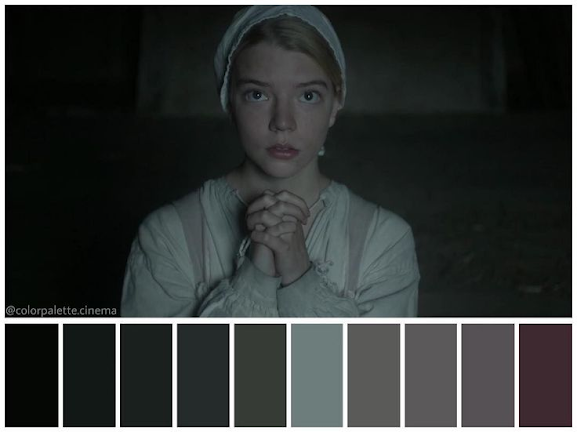
Color pallet of 2016's The Witch
This darker color and lighting obscures a lot of the camera's view, creating a foreboding feeling. The use of shadows and silhouettes are also a very common way for horror films to draw out suspense, a technique that got popularized primarily by Hitchcock’s films. Horror films use unconventional camera angles and composition. In fact, many horror directors utilize something known as negative space. Negative space is usually the empty space of a shot that surrounds the subject. Horror films use this technique to play with the audience’s imagination (examples: Psycho and Insidious). Director Mike Flanagan is known for using the negative space of his shots to hide ghosts or other figures in the background. Tracking shots and pans are used to create a sense of dread and anticipation (and many times end with a jumpscare).
Marketing
Because the target age of horror films ranges from late teens to young adults, the marketing steers towards a more mature depiction of the film. Trailers, usually underscored by dramatic covers of popular songs to attract viewers, include the most shocking scene of the films. Most horror posters feature the main villain’s face or mask as the cover. Body parts are also really popular on horror posters. The posters are typically dark and bloody with disturbing images. Because of the Halloween season, most horror films are released in an October date; however, horror films also perform very well during summer release date (while not as big a summer blockbusters released this year like Barbie, Talk to Me, made on a budget of just $4.5 million, ended grossing way over ten times its budget).

Screenshot of the Blair Witch Project website made by the directors.
A particularly groundbreaking marketing case in the horror genre was the Blair Witch Project (1999). Because of its genius marketing strategy, an indie found footage film (a genre that was practically new in the 90s), made on a budget of just $35,000, became one of the highest grossing horror films of its time. Because this was so early in the internet’s history, many consider Blair Witch to have been the first film to mass market through the internet. The directors of the film, Eduardo Sanchez and Daniel Myrick, created a fictional legend, The Curse of the Blair Witch, and kept a website that discussed this curse. The entire marketing relied on the audience believing that it was a true story. The internet reported the actors of the film as missing or dead, and their missing posters were found on the website, which also included fake police reports and interviews. This strategy was so believable, that the parents of the actors received cards from multiple fans of the film who believed that their children were actually dead. Samples
The Cabinet of Dr. Caligari
Released in 1920, The Cabinet of Dr. Caligari is now widely considered to be the first full length horror film. 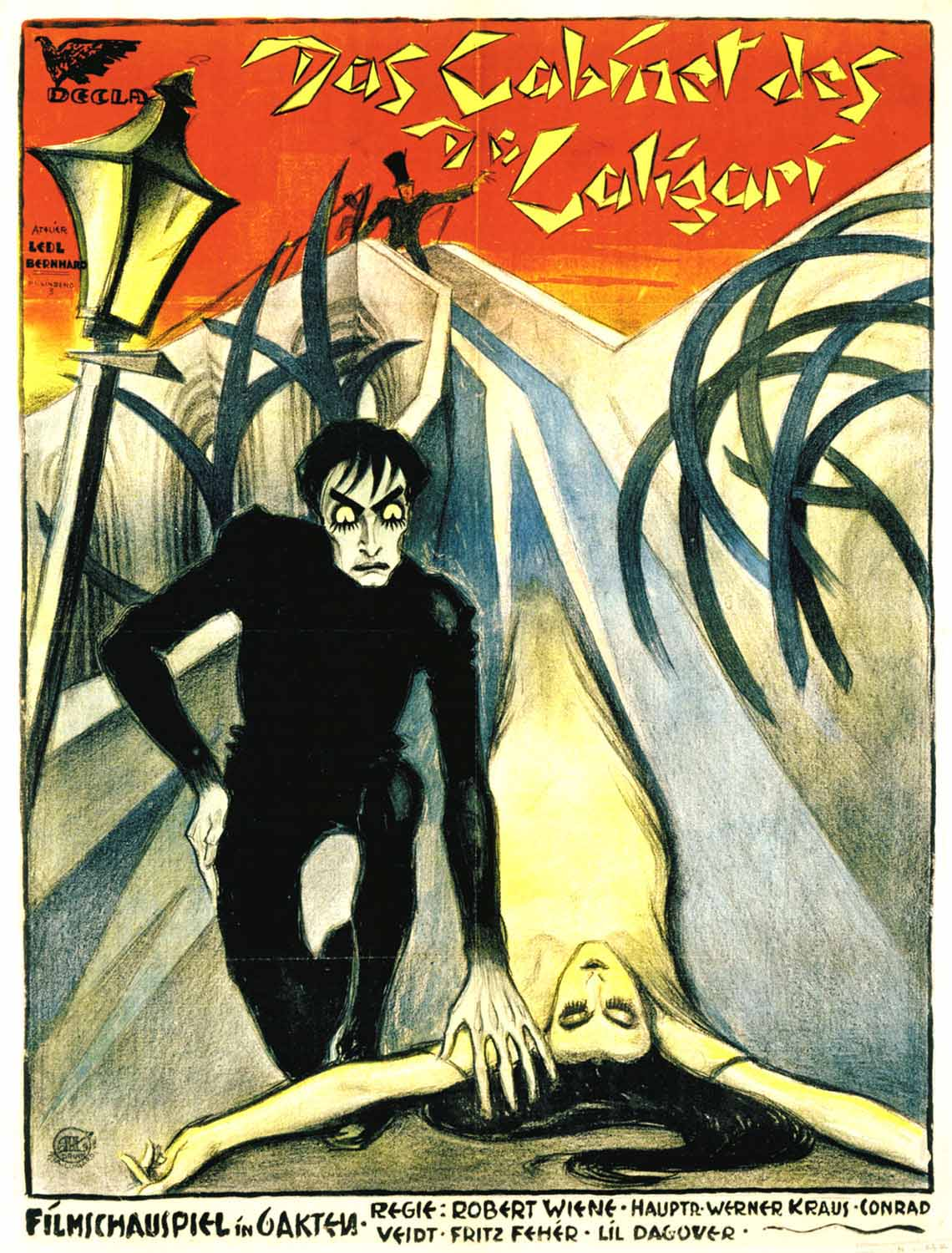 Made in Germany during the Expressionistic movement, The Cabinet of Dr. Caligari is known for its eccentric production design, characterized by abstract sets and harsh makeup. While Caligari's horror style would be unconventional compared to today's films, it was highly influential visually and content-wise for what the horror genre would become in the following decade.
The film begins with a man named Francis telling another man the story of an ordeal that he and his wife recently encountered. The film flashes back to this memory, set in a small town in Germany. Francis and his friend, Alan, attend the town fair. There, they see a doctor performing his somnambulist show. The Doctor awakens the somnambulist, Cesare, and Alan asks him when he will die. Cesare replies that he will die at dawn, that night, Alan is stabbed to death. Francis becomes suspicious that Cesare was involved as a string of crimes occur.
Although Dr. Caligari was made so early in the history of horror films, it still includes many conventional factors of a traditional horror film. Twists and turns are all over the plot. The movie features violent murders, often only showing the knife and screams. Suspense is built up and foreshadowing is used to clue in viewers to what the ending will be. The film also deals with obsession and insanity, popular even in today's horror films.
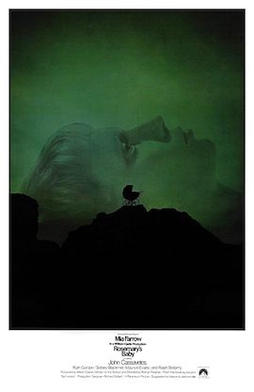
Rosemary's Baby (1966)
Husband and wife Guy and Rosemary move into a New York apartment building despite being warned by friends and witnessing the previous tenant's peculiar behavior. Rosemary befriends a recovering drug addict named Terry who has been taken in by Rosemary's neighbors, Minnie and Roman; however, a couple days later, Terry commits suicide. Not too long after, Rosemary becomes pregnant. That night, Rosemary eats some food made by Minnie and begins to hallucinate and experience weird dreams. Rosemary begins to question why her neighbors are so interested in her baby.
Although Rosemary's Baby is an older film, a lot of its horror still holds up today. This is because the movie relies, not on cheap jumpscares and special effects, but rather on creating an uncomfortable environment. The film is deeply rooted in fleshing out Rosemary's paranoia and growing distrust in the people around her. The film's scariest scene, for example, relies on implies the violence rather than explicitly showing it, making the scene so much more disorienting and terrifying. Tight shots are used to represent Rosemary being trapped in her situation. Rosemary's Baby's most effective technique, however, is its subversion of stereotypes. Typically, trustworthy characters like the doctor, elderly neighbors, and her own husband, are the hidden antagonists of the film. These subversions are why Rosemary's Baby is now considered one of the greatest psychological horrors of all time.
Other great horror films:
Black Swan (2010)

Let the Right One In (2008)

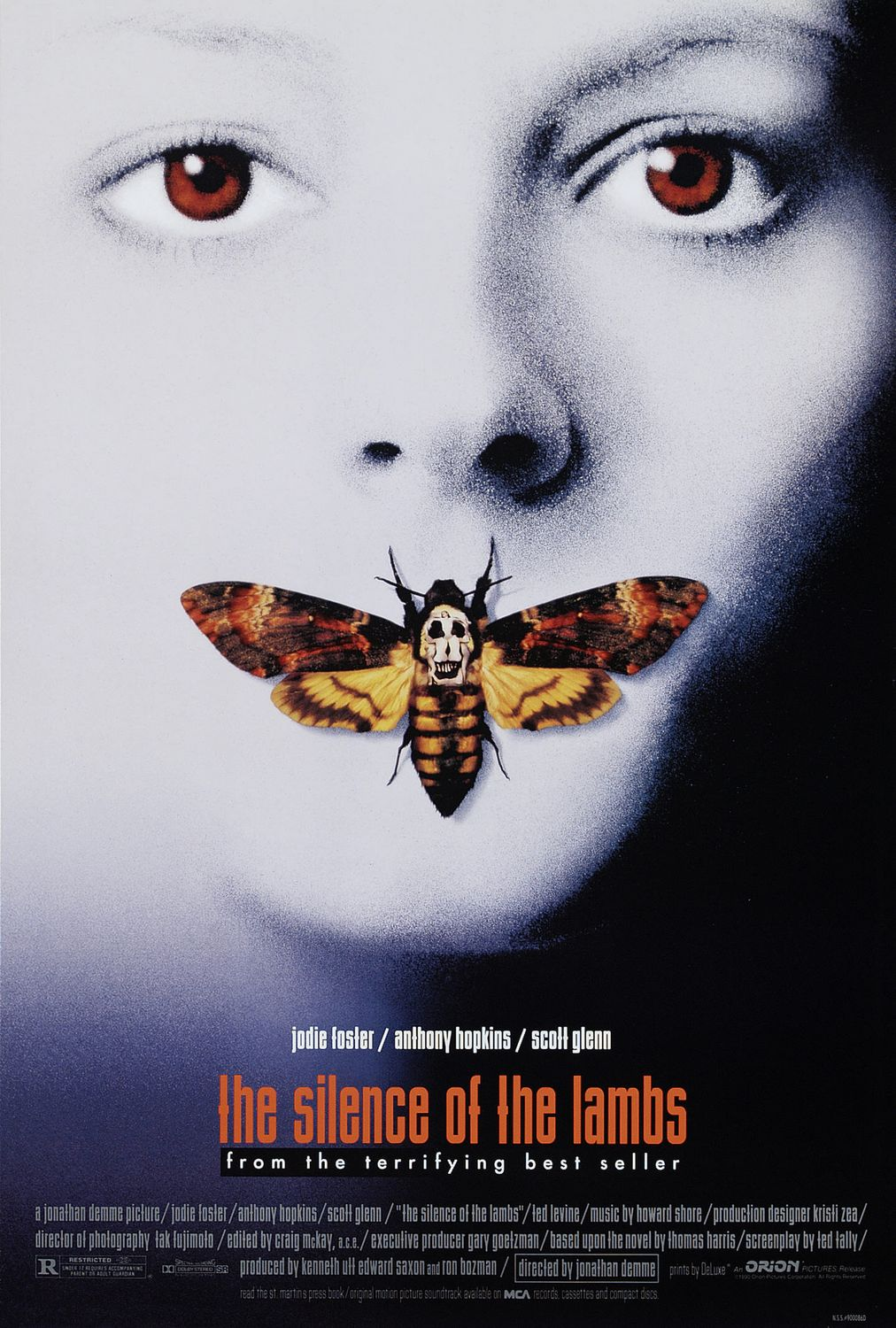
Silence of the Lambs (1991)
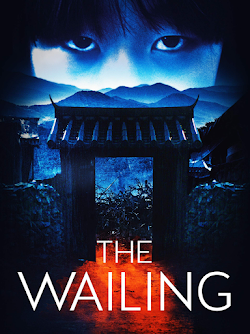
The Wailing (2016)
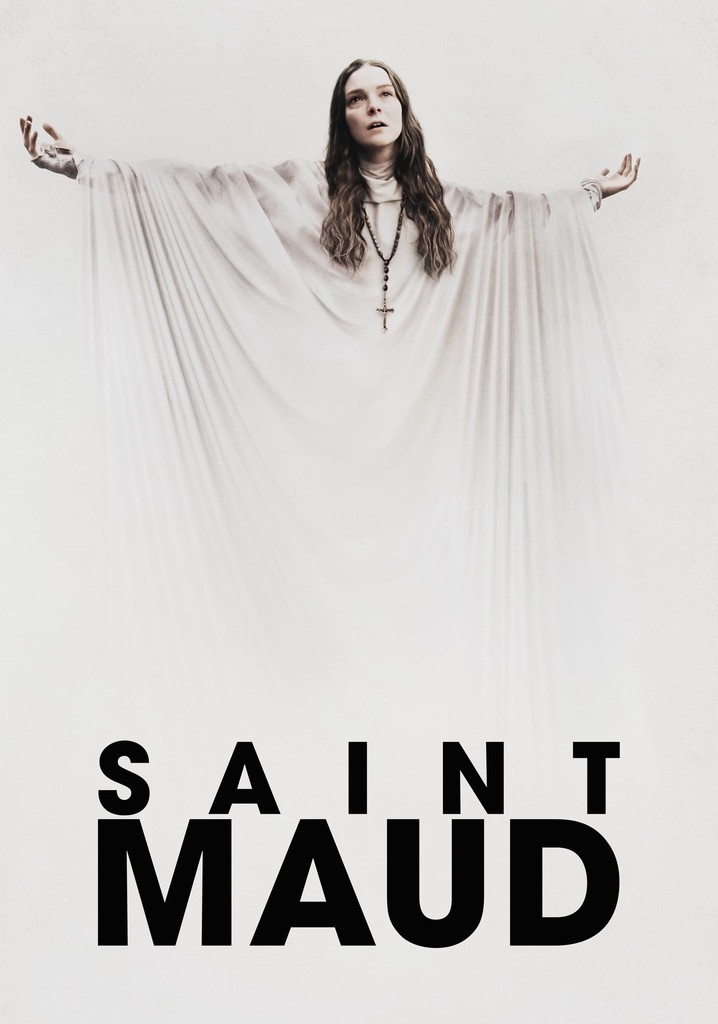
Saint Maud (2019)
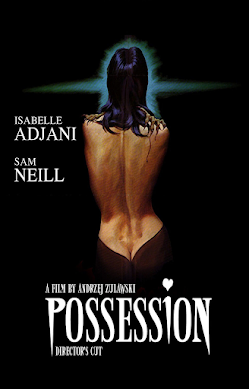
Possession (1981)
Sources
Defining the Horror Genre – The Acronym | IMSA's Official Student Newspaper
What is Horror? Definition and Examples in Film (studiobinder.com)
The Evolution of Horror Films: A Look a Horror Movies from the 19th to 21st Century – Media Services News (american.edu)
The First Horror Movie & The History of the Horror Genre - NYFA
Why The Cabinet of Dr. Caligari Remains Horror's Most Influential Film (cbr.com)